Dual Lenses, Dual Power: Maximizing Your Photographic Potential with Two Cameras

Introduction

In the competitive field of professional photography, high-quality gear is crucial to producing stunning images. But what if something out of the ordinary happens and your main camera stops working? The most skilled photographers usually carry a second camera just in case. We’ll look at how having two cameras may completely change the game when it comes to getting amazing photos.

The Importance of High-Quality Equipment

There is an indisputable association between the caliber of your camera and the superiority of your photographs. Superior low-light performance, precise color reproduction, and breathtaking resolution are just a few of the ways that high-end cameras elevate your photography experience. In professional situations, where you record once-in-a-lifetime events, these technical benefits are vital. But since anything may go wrong with any piece of machinery, a backup plan is always a good idea.

Why You Need a Backup Camera

Assume you’re shooting a wedding and your main camera suddenly fails. This would be catastrophic if there wasn’t a backup plan. A second camera, though, will ensure that you don’t miss a single one of those unforgettable moments. Having a backup camera is essential for photographers, whether they specialize in wildlife or cover events where every second counts. A wildlife photographer whose main camera fogged up just in time to get a rare glimpse is a good example of a real-life story that illustrates this idea. We can move on to the how now that we know why.

Implementing the Two-Camera Setup

Make sure the lenses and accessories you have for your primary camera are compatible with your backup camera before you buy it. With all of these gadgets working in tandem, shooting will be a breeze.

  • Keeping Your Backup Up to Date: Be sure your backup camera is always in shooting shape by checking and maintaining it regularly.
  • Two-Camera Management: Figure out how to quickly change between the cameras, whether that’s with a dual harness or by arranging for them to use different lenses for various types of photos.

Having two cameras not only makes you more secure, but it also opens up more creative opportunities.

Maximizing Your Shots Using Two Cameras

You may greatly increase your photography skills by using two distinct kinds of cameras, such as a DSLR and a mirrorless. To capture faraway landscapes, one camera may have a telephoto lens and the other a wide-angle lens. Quickly snap varied angles without changing lenses with this arrangement. The creative process is enhanced and dependability is guaranteed by using a dual-camera technique.

Conclusion

As a professional photographer, you can’t deny the importance of having top-notch gear and a backup camera. Having two cameras on hand makes you ready for anything, so you won’t miss a single important moment. Having a second, backup camera is a safety net in the competitive world of professional photography, where quality is paramount.

The Echoes of Water: Exploring Brevard’s Tranquil Waterfalls

The picturesque North Carolina village of Brevard, hidden in the enchanted realm of Transylvania, entices with its serene waterfalls. Here you could discover a sanctuary where the melodies of cascading water create a peaceful symphony, perfect for ecotourists and explorers. Join me on an expedition as we uncover the magnificent gems of this area.

Exploring the Waterfall Wonders of Transylvania

Some of Brevard, North Carolina’s most magnificent natural wonders are located in Transylvania, the waterfall country. The distinct personality of each waterfall serves to illustrate the unfiltered beauty of nature. Famous natural attractions like Majestic Falls and Serenity Springs, with their soaring heights and soothing cascades, attract tourists from across the world. The thunderous roar of the water and the brilliant rainbows that sweep across the misty sky provide an unforgettable experience as you stand at the base of these majestic falls.

Delving into Brevard’s Unmatched Elegance: A Handbook

Discovering these stunning waterfalls is an adventure that also provides opportunities for introspection. To guarantee a memorable experience during your stay in Transylvania:

  • When It’s Best to Go: The prettiest photos of the landscape are taken in the wee hours of the morning or late in the afternoon, when the light is soft and golden.
  • What To Wear: Wearing quality hiking shoes and bringing a rain jacket will help assure your comfort and safety.
  • Things To Remember: Please help maintain the beauty of our landscapes by following the paths that have been marked and by properly disposing of trash. When visiting these natural locations, it is crucial to be cautious and mindful of the tranquility.

The Enchantment of Transylvania Cultivated

The waterfalls near Brevard, North Carolina, offer a captivating opportunity to photograph the ever-changing relationship between light and water. A tripod will help you keep your camera steady over the varied landscape of Transylvania, and a slow shutter speed will turn the water into a smooth veil. Get away from the crowds and listen to the gentle murmurs of nature in the secluded spots surrounding Whispering Creek, perfect for individuals who need some quiet time to themselves. A glimpse of the natural world’s craftsmanship frozen in time, each image conveys an ephemeral beauty.

Getting Ready to Visit Brevard, North Carolina

In order to reach these stunning locations:

  • Tours and Local Guides: To make sure you don’t miss any of the hidden treasures of Transylvania’s verdant landscapes, join a guided trip led by knowledgeable locals.
  • Reasons for making adjustments: Find a cozy cabin close to Brevard, North Carolina, and unwind after a day of exploring.

Restaurants in the area serve delicious food that pays homage to the region’s rich culinary history. Immerse yourself in this magical place with a well-organized trip.

Conclusion

Discovering the serene Brevard waterfalls amid the legendary Transylvanian regions is more than simply a sight to see. You may rediscover the serenity that comes from being in breathtaking natural settings and get back in touch with nature. Visitors to Brevard will feel the water’s reverberations in their own hearts as much as in the air around them. Let the tranquil scenery inspire and revitalize you as you see the wonderful balance of nature and adventure in this one-of-a-kind region of North Carolina.

From Amateur to Artist: The Power of Light and Location in Crafting Incredible Images

Photography, an art form heavily based in skill and imagination, is heavily reliant on two critical elements: light and location. Amateur photographers have the potential to reach a professional level of skill by acquiring these qualities. Let us take a look at the reasons why these aspects are so important when it comes to creating stunning photographs.

Harnessing the Power of Light

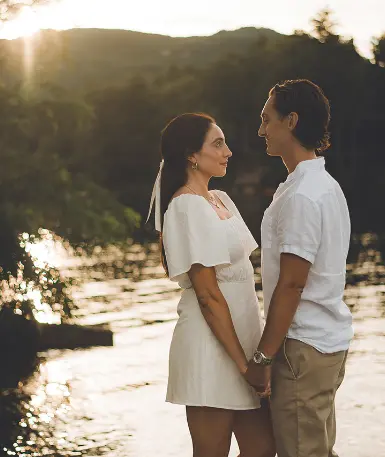
Understanding light’s influence in photography is essential. Natural light fluctuates with the time of day and weather, providing a variety of tones and moods. The golden hour, which occurs immediately after dawn or before sunset, provides a warm, forgiving light that may significantly improve images. The blue hour, which comes just before sunrise and after sunset, provides a cooler, ethereal light that is great for photographing peaceful cityscapes.

While artificial lighting is more regulated, it also brings unique obstacles and opportunities. Flash units or continuous lights can be used to highlight subjects in low-light situations or to generate dramatic effects that natural light cannot provide. Understanding the intricacies of light helps to capture its genuine character, just as choosing the right backdrop does.

The Role of Location in Composing Your Shot

Location does more than just describe the physical location of your photos; it also establishes the context for the narrative you want to convey. A well-chosen environment may inspire a sense of place and emotion, adding depth to the visual narrative. When looking for settings, consider the qualities that will best suit your topic, such as architectural lines or natural landscapes, and be aware of any distractions that may detract from the main message.

Furthermore, the perfect website is more than just beautiful; it tells a story. Whether it’s a congested city street or a tranquil park, each place offers unique features that may help improve the composition and impact of your photos.

Practical Tips for Mastering Light and Location

Always check the natural light before setting up your image. This might help you choose the optimal angle and timing for your shoot.

Experiment with different times of day to better understand how light varies. What works at midday may not work so well at nightfall.

Prepare for problems by researching your destination ahead of time. Knowing the layout, expected crowd numbers, and other aspects might help you plan more effectively.

Consider how light and shadow interact while deciding on a place. Shadows may either create drama or distract, so utilize them to your advantage.

With these strategies, you’ll be better able to take spectacular photographs.

Common Mistakes to Avoid

Photographers commonly make the mistake of not adjusting camera settings to meet lighting conditions, resulting in overexposed or underexposed images. Take the time to learn about your camera’s capabilities so you can make the best use of the available light. Another typical error is neglecting to evaluate the site’s context. Unwanted items or an improper backdrop might ruin an otherwise perfect shot.

Avoiding these faults results in cleaner, more visually appealing images.

Conclusion

Good lighting and a stunning backdrop are essential while taking images. Photographers may significantly enhance the quality of their images by following the principles outlined above and continuing to research these important characteristics. Master them, and your photos will tell engaging stories that resonate with viewers. Always strive to blend expertise and imagination in order to capture not just images, but also emotions and memories.